
Is it legal to carry pepper spray in Canada? No. Pepper spray designed for use against humans is generally classified as a prohibited weapon under Canadian federal law, meaning ordinary civilians cannot legally carry it for personal protection.
Unlike survival games where defensive equipment can be added to your inventory without consequences, Canada’s real-world weapon regulations are considerably stricter. Understanding the differences between pepper spray, dog deterrent spray, and bear spray is essential before purchasing or carrying any defensive aerosol.
This 2026 guide explains the legal restrictions, potential penalties, and safer alternatives available to Canadians. Follow Gamefluxio !!!
Is Pepper Spray Legal in Canada Under Federal Law?
Canada’s approach to pepper spray is based on how the product is designed and intended to be used. Under the Criminal Code and the Regulations Prescribing Certain Firearms and Other Weapons, Components and Parts of Weapons, Accessories, Cartridge Magazines, Ammunition and Projectiles as Prohibited or Restricted, certain aerosol devices intended to incapacitate people are classified as prohibited weapons.
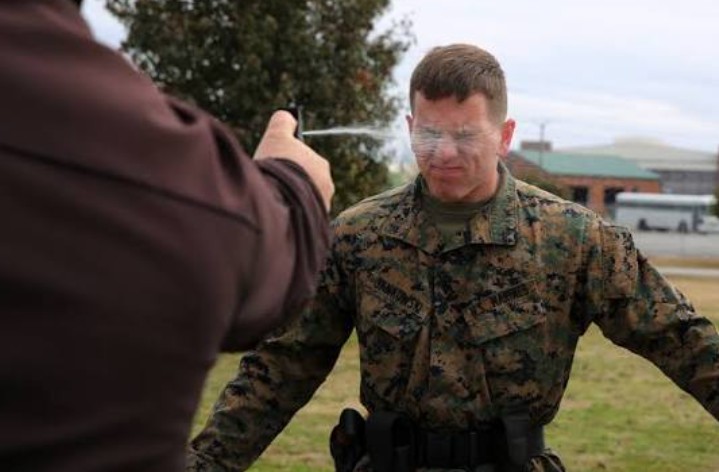
The regulations specifically address devices designed to injure, immobilize, or incapacitate a person through the discharge of tear gas, Mace, or another gas, liquid, spray, powder, or substance.
This includes ordinary pepper spray products marketed for human self-defense.
The distinction matters because the legal classification is not determined simply by the product’s appearance or whether its owner believes it will be used responsibly.
Quick legal overview
| Product or activity | General Canadian legal position |
| Pepper spray intended for use on humans | Prohibited weapon |
| Carrying human-defense pepper spray | Generally illegal without specific authorization |
| Keeping prohibited pepper spray at home | Generally illegal without authorization |
| Bear spray for genuine wildlife protection | Generally permitted, subject to circumstances |
| Dog deterrent spray for genuine animal protection | May be lawful, depending on product and circumstances |
| Carrying animal spray to use against people | Can result in criminal charges |
If you’re wondering is pepper spray legal in Canada, remember that federal law applies throughout the country, including Ontario, British Columbia, Alberta, and Quebec.
Provincial differences do not create a general exemption allowing civilians to carry prohibited pepper spray.
The product’s intended purpose, design, and surrounding circumstances remain central to its legal treatment.
>>> Read More: Are Brass Knuckles Illegal in Ohio? 2026 Laws, Carry Rules & Penalties
Is It Legal to Have Pepper Spray in Canada at Home or in Your Car?
Many Canadians assume that keeping pepper spray at home is different from carrying it in public. Unfortunately, that assumption can create legal problems.
If a spray is classified as a prohibited weapon, ordinary civilian possession is generally unlawful without the required authorization. Storing it in a bedroom drawer, vehicle glove compartment, or backpack does not automatically make possession legal.
The Criminal Code also contains separate provisions addressing concealed weapons and possession for dangerous purposes.
For instance, Section 90 deals with carrying concealed weapons, while Section 88 addresses possession or carrying for a purpose dangerous to the public peace.
These provisions can become relevant depending on the circumstances.
Consider three everyday scenarios:
- At home: Keeping human-defense pepper spray for emergencies does not create a general exemption.
- In a vehicle: Leaving prohibited pepper spray in a car does not make possession lawful.
- During commuting: Carrying pepper spray in a handbag for protection against strangers remains legally problematic.
A common misunderstanding is that an item becomes acceptable if it is never actually used.
Canadian law does not always require someone to discharge a prohibited weapon before an offense can occur.
This is why the question “is it legal to have pepper spray in Canada” deserves as much attention as the rules surrounding public carry.
For personal safety, prevention strategies and non-weapon emergency equipment generally offer fewer legal complications than carrying a prohibited defensive spray.
When Did Pepper Spray Become Illegal in Canada?
The history of Canadian pepper spray restrictions is more interesting than many online explanations suggest.
Some articles imply that pepper spray became illegal only in 1998. However, Canada’s restrictions on incapacitating aerosol weapons have earlier roots.
A federal Prohibited Weapons Order registered in May 1974 already covered devices designed to incapacitate people by discharging tear gas, Mace, or other substances.
Later regulations reorganized and continued these restrictions.
In 1998, Canada introduced SOR/98-462, a major regulatory framework identifying various prohibited and restricted weapons. Its Schedule, Part 3, preserved the prohibition covering devices designed to incapacitate people using chemical sprays.
This historical distinction matters when answering the question “when did pepper spray become illegal in Canada.”
The most accurate explanation is that relevant federal restrictions existed by 1974, while the modern regulatory framework was established in 1998.
Pepper spray’s classification also reflects a broader Canadian distinction between equipment designed for animal protection and equipment intended for use against humans.
The legal history is not simply a story of one product suddenly disappearing from store shelves.
Instead, it involves decades of weapon classification, regulatory consolidation, and evolving interpretations.
For readers researching Canada’s self-defense laws in 2026, understanding this timeline helps separate historical facts from misleading internet claims.
Is Bear Spray Legal in Canada for Self-Defense?
Bear spray occupies a different legal category from conventional pepper spray intended for humans.
In Canada, appropriately labelled animal-repellent products can generally be possessed for legitimate wildlife protection, provided they meet applicable regulatory requirements.
According to Canadian border authorities, animal repellents are distinguished from prohibited human-defense sprays by their design, labelling, and compliance with the Pest Control Products Act.
However, this distinction does not mean bear spray can legally replace ordinary pepper spray for personal protection against people.
Carrying bear spray specifically for use against humans may create criminal liability, even when the container itself is marketed as an animal deterrent.
For example, a hiker travelling through an area with a genuine risk of bear encounters has a legitimate reason to carry properly regulated bear spray.
Someone carrying the same product through a city solely to confront potential attackers presents a different legal situation.
The difference is similar to an item’s intended role in a survival game: equipment designed for wildlife encounters is not automatically appropriate for every scenario.
Bear spray also presents practical risks, including accidental discharge and exposure to nearby people.
Its presence in a backpack or vehicle should be connected to a legitimate outdoor activity rather than an attempt to bypass restrictions on human-defense sprays.
If you’re asking “is bear spray legal in Canada for self defense,” the distinction is clear: legitimate animal protection is different from carrying it as a weapon against people.
Where to Buy Pepper Spray in Canada: What Is Actually Available?
People searching for where to buy pepper spray in Canada often encounter confusing product listings. Some websites advertise personal-defense sprays, while outdoor retailers sell animal deterrents that look remarkably similar.
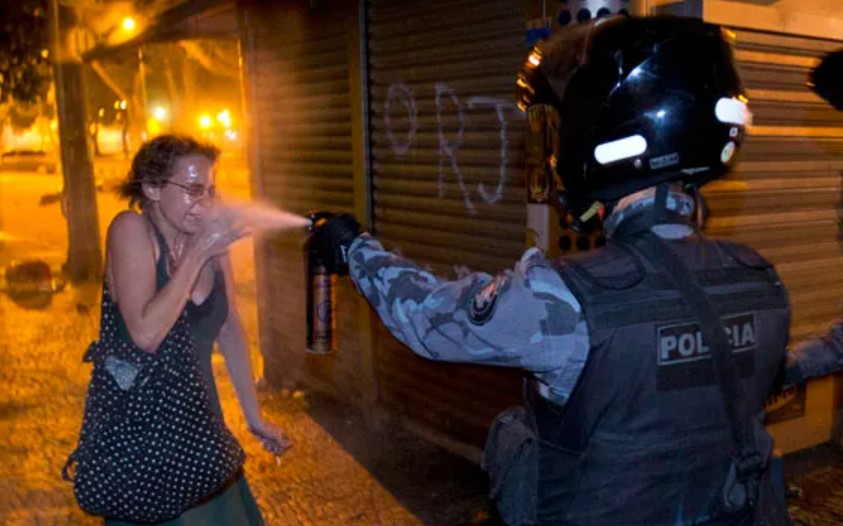
However, online availability does not determine whether an item is lawful to possess.
Human-defense pepper spray is generally prohibited for ordinary civilians, and buying it from an international seller does not create an exemption from Canadian import restrictions.
A product marketed as legal in the United States may fall under a completely different classification in Canada.
Legitimate animal-repellent products are a separate category. Properly registered bear deterrents and dog repellents may be available through outdoor recreation retailers, camping suppliers, and other appropriate businesses.
Consumers should verify that these products are genuinely intended for animal protection and comply with Canadian regulatory requirements.
A particularly important detail is the manufacturer’s label.
Canadian border guidance distinguishes animal repellents designed exclusively for use against animals from devices intended to incapacitate humans.
Simply relabelling a prohibited spray does not change its actual design or legal classification.
Buyers should also avoid assuming that small containers are automatically exempt. Canadian guidance does not establish a universal minimum container size that makes animal-repellent products lawful.
Ultimately, anyone researching pepper spray availability should prioritize compliance over convenience.
Purchasing a product without understanding its classification can lead to complications involving possession, transportation, or importation.
For everyday urban safety, non-weapon protective equipment is generally a more practical starting point than searching for restricted defensive aerosols.
Best Pepper Spray Alternatives in Canada for Personal Safety
Finding a practical pepper spray alternative in Canada does not require carrying an object designed to injure another person.
Several everyday safety tools can improve awareness, attract attention, and help someone respond quickly during an emergency.
- Personal safety alarms
Small electronic alarms produce loud sounds intended to attract attention. Some manufacturers advertise outputs around 120–140 decibels, although actual performance varies.
- Compact flashlights
A flashlight can illuminate dark pathways, improve visibility, and help identify obstacles. Brightness ratings vary from a few hundred to more than 1,000 lumens.
- Smartphone emergency features
Emergency SOS functions, location sharing, and rapid emergency calling provide useful options without requiring a weapon.
Personal safety training is another valuable option. Programs emphasizing situational awareness, conflict avoidance, and escape strategies can help people recognize risks before situations escalate.
These alternatives work differently from defensive sprays. Their purpose is to improve safety without deliberately incapacitating another person.
Think of them as defensive upgrades focused on detection, communication, and escape rather than combat damage.
No safety device guarantees protection, and even ordinary objects can create legal concerns when carried or used as weapons.
Nevertheless, combining awareness, emergency communication, and practical safety habits offers a more legally straightforward approach to everyday protection.
What Happens If You Carry Illegal Pepper Spray in Canada?
The consequences of possessing or carrying prohibited pepper spray depend on the offense charged and the surrounding facts.
Canadian law distinguishes between unlawful possession, concealed carrying, possession for a dangerous purpose, and more serious conduct involving threats or violence.
For example, Criminal Code Section 90 addresses carrying a concealed weapon without appropriate authorization. When prosecuted by indictment, the offense carries a maximum imprisonment term of five years.
Section 88 addresses possession or carrying a weapon for a purpose dangerous to the public peace or for committing an offense. Its indictable maximum is ten years.
These figures represent statutory maximums for specific offenses, not typical sentences or automatic punishments.
Other provisions concerning prohibited weapons may also apply depending on the facts.
The legal consequences become potentially more serious if a spray is used to threaten, assault, or injure another person.
Imagine carrying a prohibited aerosol into a crowded public event. Even without discharging it, possession and concealment may raise legal issues.
If the spray is discharged during an argument, additional criminal allegations may arise.
Unlike a video game where a questionable equipment choice might only reduce your score, a real criminal charge can affect employment, travel, and future opportunities.
The most reliable approach is to understand Canadian weapon classifications before acquiring defensive equipment.
When legal uncertainty exists, seek advice from a qualified Canadian lawyer rather than relying on informal online claims.
Final Verdict: Is It Legal to Carry Pepper Spray in Canada?
So, is it legal to carry pepper spray in Canada in 2026? For ordinary civilians, carrying pepper spray designed to incapacitate humans is generally illegal because it is classified as a prohibited weapon.
Animal deterrents, including appropriately regulated bear spray, are treated differently when genuinely intended for animal protection. They are not automatic substitutes for human-defense pepper spray.
For Canadians concerned about personal safety, portable alarms, flashlights, emergency communication features, and situational awareness training provide practical alternatives.
The most important lesson is simple: understanding the law should come before choosing defensive equipment.
In the real world, the smartest survival strategy is not always carrying the strongest item. Sometimes, it is avoiding unnecessary risks altogether.
Keywords: is pepper spray legal in canada, is it legal to have pepper spray in canada, pepper spray alternative canada, where to buy pepper spray in canada, when did pepper spray become illegal in canada, is bear spray legal in canada for self defense.
